Lawn tennis arrived in Australia in the late nineteenth century and quickly took hold in the colonies. By the early twentieth century, Australians were competing with the best in the world, and a Melbourne businessman's son, Norman Brookes, was about to change the sport's history.
1880
First championship
Colony of Victoria
1907
Brookes at Wimbledon
First overseas-born champion
6
Australasia Davis Cups
1907–1919
Colonial championships
Before Federation in 1901, each Australian colony, and New Zealand, held its own championships. The first was organised in Melbourne in 1880, as the Championship of the Colony of Victoria, later the Championship of Victoria. These events created a competitive circuit and a network of clubs.
The Australasian Championships
In November 1905, the first Australasian Championships were held at the Warehouseman's Cricket Ground in Melbourne. The event became the Australian Championships and, in the Open Era, the Australian Open. Read our Australian Open history.
Norman Brookes
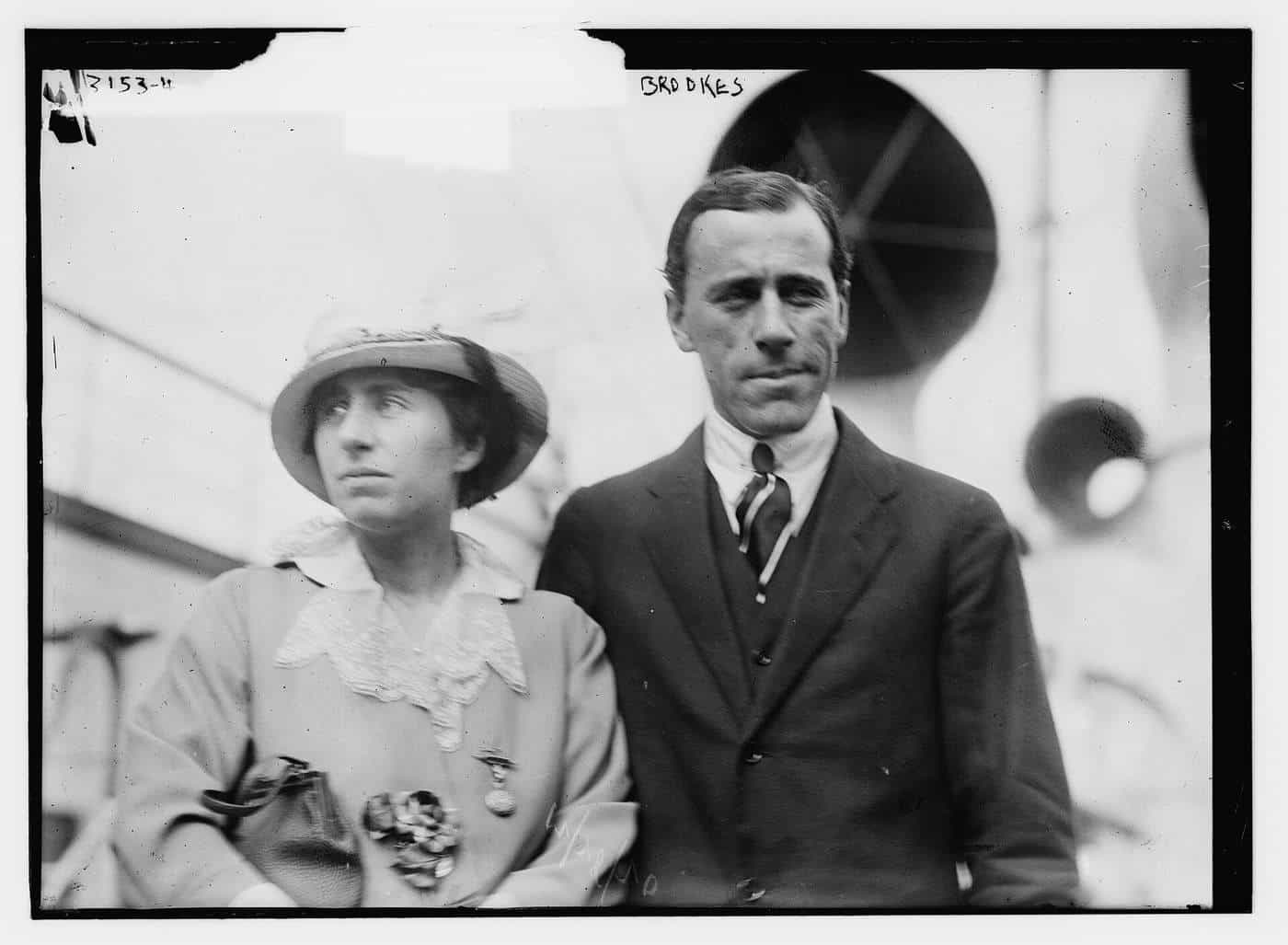
Sir Norman Everard Brookes was born in the Melbourne suburb of St Kilda on 14 November 1877, the youngest son of an English immigrant who had made his fortune in gold mining near Bendigo. Educated at Melbourne Grammar School, he excelled at cricket, Australian football and tennis. He played on the family's private court and studied the strokes and tactics of leading players at nearby courts, where he was coached by Wilberforce Eaves.
Wimbledon 1907
In 1907, Brookes became the first non-British player and the first left-hander to win the men's singles title at Wimbledon, beating 39-year-old Arthur Gore in straight sets in the final. He prioritised his business career for several years afterwards and did not return to Wimbledon until 1914, when he won again, beating the title holder Anthony Wilding. The pair also won the Wimbledon doubles.
Australasian champion
Brookes also won the Australasian Championships in 1911. When he played at home, he focused on the Victorian Championships and the Davis Cup.
Australasia and the Davis Cup
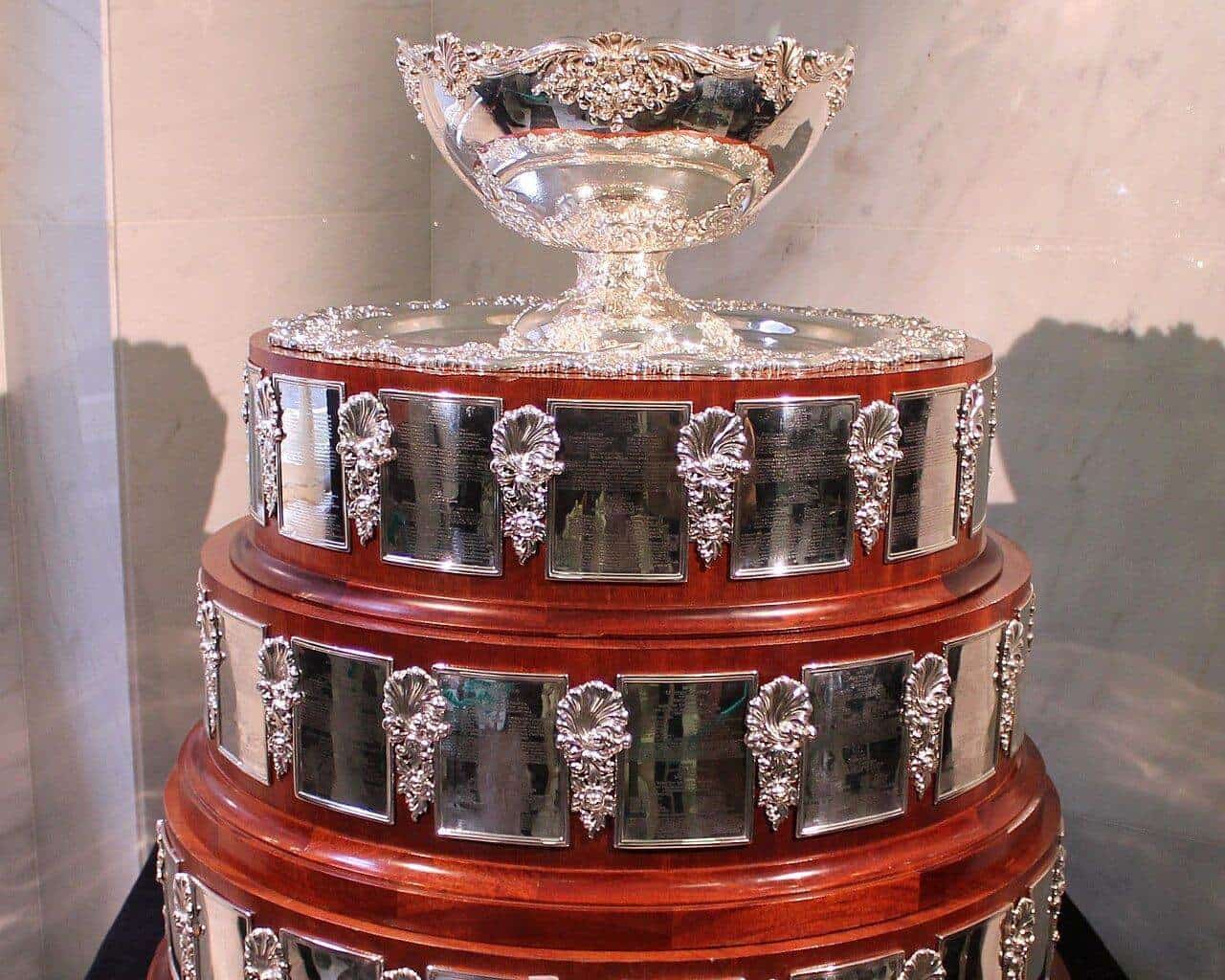
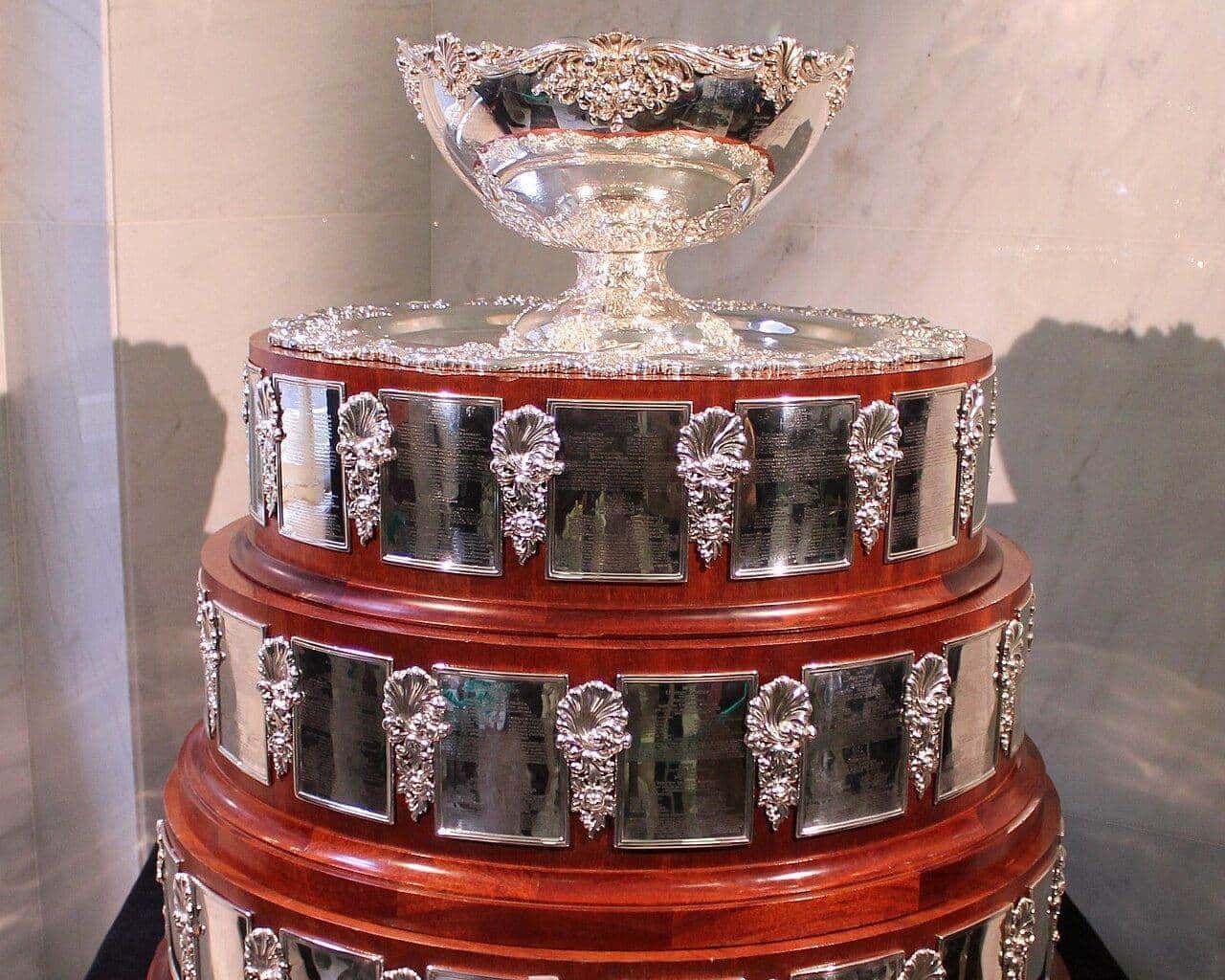
From 1905 to 1922, Australia and New Zealand competed together in the Davis Cup as Australasia. Although New Zealanders were eligible, Anthony Wilding was the only New Zealander to play for the team. Australasia won the cup in 1907, 1908, 1909, 1911, 1914 and 1919. Brookes played 39 Davis Cup matches between 1905 and 1920 and was a member of the winning teams in 1907, 1908, 1909, 1914 and 1919.
Anthony Wilding
Anthony Frederick Wilding, born in Christchurch in 1883, is considered the world's first tennis superstar. He won 11 major titles, six in singles and five in doubles, and won the Davis Cup four times playing for Australasia. He made his Davis Cup debut for Australasia in July 1905 against Austria at the Queen's Club in London. Shortly after the outbreak of World War I, he enlisted and was killed on 9 May 1915 during the Battle of Aubers Ridge in France. In a 1950 ranking of the greatest players, Brookes placed Wilding fourth.
After the playing days
Brookes became president of the Lawn Tennis Association of Australia and was instrumental in developing Kooyong as a tennis centre. The Australian Open men's singles trophy, the Norman Brookes Challenge Cup, is named in his honour. He died on 28 September 1968.
| Year | Milestone |
|---|---|
| 1880 | First colonial championship in Melbourne |
| 1905 | First Australasian Championships; Australasia debuts in the Davis Cup |
| 1907 | Brookes wins Wimbledon; Australasia wins the Davis Cup |
| 1911 | Brookes wins the Australasian Championships |
| 1914 | Brookes wins Wimbledon again |
| 1915 | Wilding killed in action |
| 1919 | Australasia's sixth Davis Cup |
The end of Australasia
In 1920, Australasia lost the challenge round to the United States 0–5 in Auckland. It reached the final in 1921 and the challenge round again in 1922, losing 1–4 to the United States in New York. That was the last competition under the Australasia name; from 1923, Australia and New Zealand competed separately.
Equipment and the early game
Early players used rackets with wooden frames strung with natural gut. Over the following century, wood gave way to steel, aluminium and, finally, carbon-fibre composites. The pioneers' game, played in long trousers on grass, looked very different from today's.
Legacy
The pioneers built the foundations of Australian tennis: competitive championships, international ambition and success at Wimbledon and in the Davis Cup. Their achievements paved the way for the golden era. Read about the golden era.
Why the early years matter
Australia's distance from Europe and America made international competition difficult. Brookes and his teammates proved that Australians could compete with and beat the best, inspiring the generations that followed.
Equipment in the early years
Players of the pioneer era used very different equipment. Rackets were made of solid wood, later laminated wood, and strung with catgut made from animal intestine. The heads were small and the frames heavy compared with modern composite rackets. Steel, aluminium and then carbon-fibre composites only replaced wood much later in the twentieth century. Balls, clothing and shoes were also heavier. Long trousers for men and ankle-length skirts for women were standard, and they shaped how players moved around the court.
Those conditions favoured accuracy, touch and tactics over raw power. Norman Brookes, the first left-hander to win the men's singles at Wimbledon, was known for clever placement and volleying rather than speed of shot. Reading early match reports with the equipment in mind helps explain why scores and styles look so different from those of today.
The organisation of the game
Tennis in Australia began to organise in the decades after its arrival. In January 1880, the first tennis tournament in Australia was held at the Melbourne Cricket Club. Interest grew over the following 20 years, mainly among wealthy Australians with access to private or club courts. In 1904 the national body was formed as the Lawn Tennis Association of Australasia. It became the Lawn Tennis Association of Australia in 1906 and has been known as Tennis Australia since 1986. That body still runs the Australian Open and the national teams.
Brookes later served as president of the Lawn Tennis Association of Australia, linking the pioneer playing generation with the development of the sport's administration. The men's singles trophy at the Australian Open, the Norman Brookes Challenge Cup, carries his name.
Wilding's legacy
Anthony Wilding, the New Zealander who played for Australasia, won 11 Grand Slam titles across singles and doubles and is often called the world's first tennis superstar. He was killed in action in May 1915 during the First World War. His death, at the height of his fame, cut short the partnership that had made Australasia a Davis Cup power.
Frequently asked questions
When did tennis championships start in Australia?
The first colonial championship was organised in Melbourne in 1880, as the Championship of the Colony of Victoria.
Who was Norman Brookes?
Sir Norman Brookes (1877–1968) was an Australian champion who won Wimbledon in 1907 and 1914, and the Australasian Championships in 1911.
Why is Brookes important?
In 1907, he became the first player born outside Britain, and the first left-hander, to win the Wimbledon men's singles title.
What was Australasia?
From 1905 to 1922, Australia and New Zealand competed together in the Davis Cup as Australasia. The team won six titles.
Who was Anthony Wilding?
A New Zealand champion who played for Australasia and won the Davis Cup four times. He was killed in action in 1915 during World War I.
Is the Australian Open trophy named after Brookes?
Yes. The men's singles trophy is the Norman Brookes Challenge Cup.
Did Brookes help build Kooyong?
Brookes was instrumental in developing Kooyong as a tennis centre and later became president of the Lawn Tennis Association of Australia.
When did Australasia first win the Davis Cup?
In 1907. Further wins followed in 1908, 1909, 1911, 1914 and 1919.
Sources and further reading
Facts on this page were checked against these primary and official sources. Conditions change — confirm before you travel or buy.
- Norman Brookes — Wikipedia
- Anthony Wilding — Wikipedia
- Australia Davis Cup team — Wikipedia
- Australian Open — Wikipedia